Hard Water in Riyadh and Your Washing Machine: Scale Damage and How to Prevent It
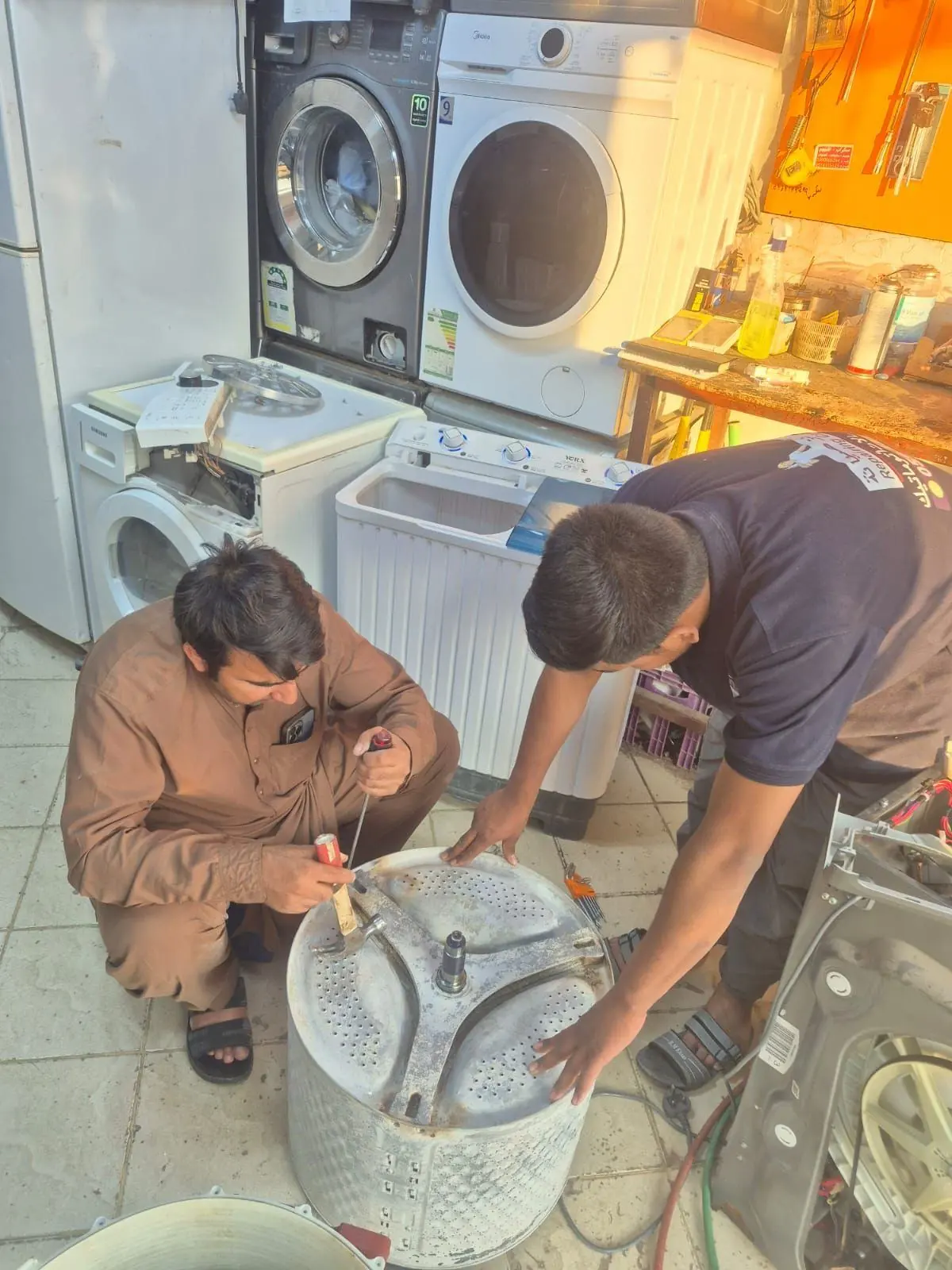
In many Riyadh homes, tap water leaves a white, chalky crust on taps, kettles and shower screens. The same crust, called limescale, forms inside your washing machine where you cannot see it. Over time it can shorten the life of the machine. This guide explains where scale does its damage, how to spot it early, and what you can safely do at home to slow it down.
Why does hard water leave scale in a washing machine?
Hard water carries dissolved minerals. When the water is heated, some of those minerals come out of the water and stick to whatever is nearby. That is limescale.
Your washing machine heats water all the time, so scale tends to build up on the hottest parts first. It is a slow process. You will not notice it after one wash. You may notice it after a long time of warm and hot cycles, especially if the machine has never been descaled.
We say 'in many homes' on purpose. Water can differ from one building to the next, and it can differ between a tank on the roof and the supply line. If you see white crust on your taps and kettle, assume your machine is getting some of it too.
What does scale do to the heating element?
The heating element sits at the bottom of the tub, in the water. Scale can coat it like a shell. The coating acts as insulation, so the element has to work longer to warm the same water.
That can mean longer cycles, higher electricity use and clothes that do not get as clean at warm settings. A heavily scaled element can also overheat and fail. When that happens, the machine may stop heating, trip the power, or show an error code. Meanings vary by model, so check your manual and send us the model and the code.
How does scale affect the pump, the inlet filter and the door seal?
The drain pump pushes dirty water out. Flakes of scale mix with lint and soap residue and can build up around the pump and the drain filter. The pump then works harder, gets noisy, or drains slowly. If your machine already leaves water behind, see washing machine not draining.
The inlet valve has a small mesh filter where the water hose connects. Scale and grit collect on that mesh. The machine fills slowly, takes longer to start, or sometimes stops with a fill error.
On front-load machines the rubber door seal can collect chalky deposits in its folds, together with mold and soap. A seal that is crusted and damp can smell bad, and rough deposits are not kind to the rubber over time.
What are the signs of scale in your machine?
One sign on its own can have other causes. Several together point towards scale. Look for these:
- White or grey crust on the door seal, the detergent drawer or the inside of the drum.
- Clothes that feel stiff or rough, even after rinsing, and towels that lose their softness.
- The machine fills slowly or makes a strained humming sound while filling.
- Wash cycles that take noticeably longer than they used to.
- Warm washes that finish with cooler water than expected.
- A musty smell that comes back soon after cleaning.
- Chalky flakes in the drain filter when you clean it.
How do you run a descaling cycle safely?
Use a descaler made for washing machines. Do not use random acids, mixtures of cleaners or strong chemicals. Some products react badly with each other, and some can damage rubber seals and metal parts. Your manual will say which products and how often it recommends. Follow it.
A simple routine looks like this:
- Empty the drum. No clothes during a descaling cycle.
- Check that the drum and the door seal are free of small objects.
- Put the descaler in the drawer or the drum, as the product label says.
- Choose a hot, long cycle, such as the one your manual suggests for cleaning.
- When it ends, wipe the door seal and leave the door slightly open to dry.
- Run one more short rinse cycle with no clothes, so no descaler remains.
How do you clean the inlet hose filter?
This is a quick job and often fixes slow filling. First switch the machine off at the plug and close the water tap. Pull the machine out a little so you can reach the back, and keep a towel and a small bowl nearby, because some water will spill.
Unscrew the water hose from the back of the machine by hand. Inside the connection you will see a small mesh. Gently pull it out with pliers if it is tight, rinse it under running water, and brush off grit with an old toothbrush. If scale is stuck, soak the mesh in a descaler solution suited to the material, then rinse well.
Put the mesh back the same way it came out, and screw the hose back on firmly. Open the tap slowly and check the connection for drips. Never force a damaged or cracked hose connector. That is a job for a technician.
How much detergent should you use?
Many people add extra detergent when the water feels hard, thinking it will clean better. Too much detergent often does the opposite. It leaves residue that feeds mold and clogs the filter, and it can make clothes feel soapy. If that sounds familiar, read why clothes come out soapy.
Use the amount on the detergent pack for your load size, and go by the pack rather than by guessing. If your water is hard and the pack gives a range, ask yourself whether you really need the top of it. Measure with the cap or scoop, not by eye. Some people add a water softener product to help. If you do, follow the label for both products and check that your manual does not advise against it.
When does scale damage mean a repair?
Descaling helps prevent damage. It cannot undo damage that has already happened. Call a technician if you see any of these:
- The machine does not heat, or trips the power when it tries to.
- It will not fill even after you have cleaned the inlet filter.
- The pump hums but water stays in the drum.
- There are leaks around the door seal or the hoses.
- An error code keeps coming back after you restart the machine.
What should you leave to the technician?
Anything inside the cabinet: the heating element, the wiring, the pressure switch and the control board. Water and electricity do not mix. Our technician visits your home anywhere in Riyadh, finds the fault, tells you the cost before starting, and works only after you agree. Most repairs are finished the same day. See our washing machine repair service for how a visit works.
Think scale has already done damage?
Tell us your machine model and what you are seeing. Call or WhatsApp +966 59 116 1916 and we will arrange a home visit.
Frequently Asked Questions
Some manuals mention it and some warn against it, because acids can harm rubber seals over time. Check your manual first. If it does not say, a descaler made for washing machines is the safer choice.
It depends on your water, how often you wash hot, and what your manual says. Many households do it every few months. If you see crust or the machine fills slowly, do it sooner.
It can make fabrics feel stiff and dull, and colors may fade faster with extra detergent residue. Using the right amount of detergent and rinsing well helps.
Many brand warranties do not cover damage caused by scale or water quality, but check your own warranty terms. Our repairs carry a 30-day warranty on parts and labor.
Related guides
- How to Clean a Washing Machine and Keep It Working Well
- Washer, Dishwasher and Dryer Maintenance Checklist for Riyadh Homes
- Clothes Coming Out of the Washing Machine Wet or Soapy: Causes and Fixes
- Washing Machine Not Draining: Causes and Fixes
- 5 Signs Your Washing Machine Needs Repair
- Automatic Washing Machine Repair in Riyadh