Washing Machine Making Loud Noise or Shaking: Causes and Fixes
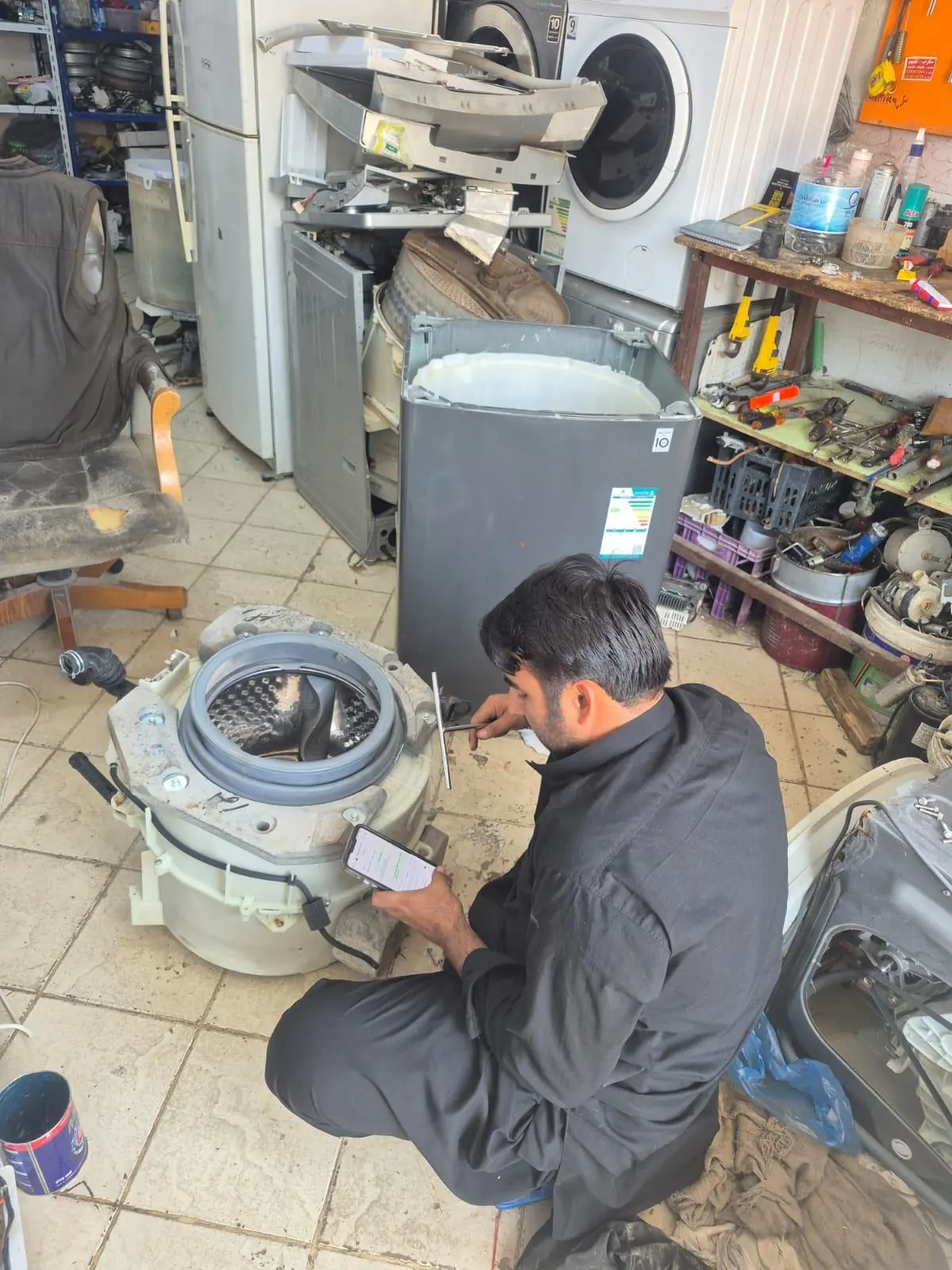
A washing machine that bangs, grinds, squeals or walks across the floor is telling you something. Sometimes the cause is as simple as a heavy blanket on one side of the drum. Sometimes it is a worn part that needs a technician. This guide explains what each sound usually means, what you can check safely at home, and when it is time to stop and call for help.
First, listen to the type of noise
Different faults make different sounds, so describe the noise before you touch anything. It helps you find the cause faster, and it helps a technician if you do need to call.
Does it happen only during the spin, or during the whole cycle? Does it happen with every load, or only with heavy items? Does it happen on a brand new machine, or did it start suddenly after months of quiet use? These three questions narrow things down more than any other.
- Banging or thumping during spin: often an unbalanced load or an unlevel machine.
- The machine moving across the floor: often unlevel feet, a very uneven load, or worn dampers.
- Rattling or clicking: often a coin, button or small object caught in the drum area or pump.
- Grinding or deep rumbling that gets worse at high speed: often worn drum bearings.
- High squealing: often a belt, on models that have one, or a worn part under load.
Why is my washing machine banging during the spin?
The most common reason is an unbalanced load. When wet laundry gathers on one side of the drum, the drum spins off center and hits the tub or the cabinet. One heavy item is enough. Bath towels, jeans, a blanket or a single abaya soaked with water can all do it.
Stop the machine, open the door once the lock releases, and spread the laundry out evenly. Mix big and small items in the same load. Do not wash a single heavy item alone. Most machines also try to rebalance on their own, so a short bump at the start of the spin can be normal. A heavy bang that repeats is not.
Why does the machine walk across the floor?
A machine that shifts or hops while spinning is often standing unevenly. Each adjustable foot should touch the floor firmly, and the machine should not rock when you push a top corner. Tiled floors in many homes are smooth, so even a small gap under one foot lets the machine slide.
Unplug the machine and close the tap first. Then check the feet. Most have a locking nut that you loosen, turn the foot until the machine sits solid, and tighten again. Use a spirit level on top if you have one. A machine on a floor drain slope or a raised edge may need a small adjustment on each side.
Is the noise coming from a new machine? Check the transit bolts
Many front-load machines are shipped with transit bolts or shipping braces at the back. They hold the drum steady during delivery. If they stay in, the machine shakes hard, makes loud banging noises and can damage itself, sometimes within the first wash.
Check the back of the machine and your manual. If bolts or a brace are still fitted, remove them as the manual describes and keep them for any future move. If the machine has been installed by someone else and you are not sure, ask them. Never run a new machine again until you have checked this.
Rattling or clicking: look for coins and small objects
Coins, hair clips, buttons, small toys and bra underwires leave pockets and end up in unexpected places. They can sit between the drum and the tub, or reach the drain pump. A rattle or a sharp clicking that comes and goes with the drum is a common sign.
With the machine unplugged and the tap closed, check the drum, the door seal folds and the drain filter. On many front-load machines, the filter is behind a small panel at the bottom front. Open it slowly with a towel and a shallow tray ready, because water will come out. If you find nothing but the noise continues, do not take the machine apart. A technician can reach the area safely.
Grinding, rumbling or a loud hum: worn drum bearings
The drum turns on bearings. When they wear, the machine makes a grinding or rumbling noise that gets louder as the speed rises. You may also notice the drum feels loose, or rocks slightly when you hold the edge with the machine off and unplugged.
Bearing wear usually does not fix itself, and running the machine can damage the drum shaft and seal. Rust marks or moisture stains at the rear of the tub can be another sign. This is a job for a technician, as the drum often needs to be taken out of the cabinet. If this describes your machine, the guide on signs your washing machine needs repair may help you decide what to do next.
Shock absorbers, dampers and belts
Front-load machines hold the tub on springs and shock absorbers, often called dampers. They soak up the movement of the spin. When they wear out, the machine shakes hard, bangs against the cabinet and may move, even with a well-balanced load and level feet. The noise often grows slowly over time.
On models with a drive belt, a worn or loose belt can cause squealing or a burning rubber smell, and sometimes the drum spins weakly. Many newer machines use a direct-drive motor and have no belt at all, so check your manual. Both parts sit inside the cabinet, so replacing them is technician work. If the drum is not spinning properly, see our page on washing machines not spinning.
What you can safely check, and when to call a technician
Before every check, turn the machine off, unplug it and close the water tap. Never open the cabinet, touch wiring or force the door lock.
Safe checks are simple. Redistribute the load, wash smaller loads, level the feet, look for transit bolts on a new machine, clean the drain filter and check for objects in the drum and door seal. These solve a large share of noise problems.
Call a technician if the noise is metallic, grinding or getting worse, if the drum feels loose, if the machine leaks, smells burnt or trips the power, or if the shaking continues after a level, balanced load. Keep running a machine like that and a small repair can become a bigger one. Our team can visit your home in Riyadh, find the fault and tell you the cost before any work begins, and nothing starts until you agree. You can read more about the washing machine repair service here.
Noise that will not go away?
If the checks above do not stop the banging or grinding, send us the brand, model and a short video of the noise. We can visit your home anywhere in Riyadh. Call or WhatsApp us on +966 59 116 1916.
Frequently Asked Questions
A mild vibration at high speed can be normal, especially with a lighter load. Strong banging, loud thumping or a machine that moves across the floor is not normal and should be checked.
It is better not to. Grinding often points to worn bearings or something caught in the drum area, and running the machine can make the damage worse. Switch it off and ask a technician to look.
Many front-load machines come with them, and they must be removed before the first wash. Your manual shows where they are. Top-load machines often use a different transport lock, so check the manual either way.
Give the brand, the model number and a short description of the noise: when it starts, how loud it is and whether it happens with every load. A short video on WhatsApp helps even more.
Related guides
- Washing Machine Not Spinning: Common Causes and Fixes
- 5 Signs Your Washing Machine Needs Repair
- Front-Load vs Top-Load Washing Machine Repair: Differences in Faults
- Repair or Replace a Washing Machine: How to Decide
- Can You Fix a Washing Machine Yourself? What Is Safe to Try
- Automatic Washing Machine Repair in Riyadh