Can You Fix a Washing Machine Yourself? What Is Safe to Try
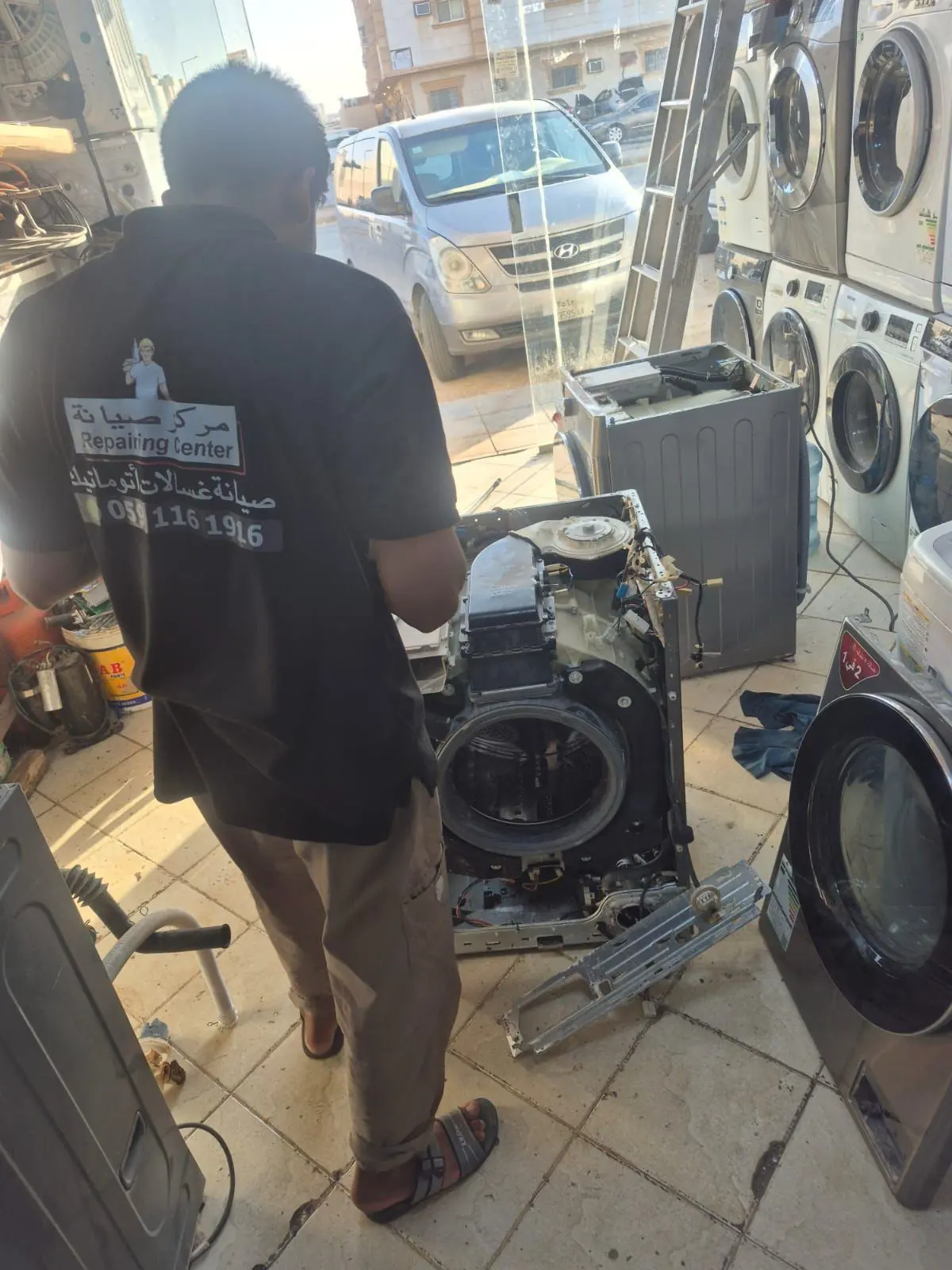
Sometimes yes. Many washing machine problems come from something simple: a closed tap, a kinked hose, a blocked filter or an overloaded drum. You can check these in a few minutes without any tools. But a washing machine mixes water and mains electricity, and some jobs are not safe for anyone without training. This guide separates the two, so you know where to stop.
Why is DIY repair on a washing machine risky?
A washing machine holds water, moves fast, and runs on mains power. Inside the cabinet there are live wires, a heating element, a motor and a control board, all sitting close to damp parts and sometimes to leaking water.
Water can reach places it should not. A small leak onto a connector can cause a short circuit, a shock, or a burned board. Even when the machine is switched off at the button, parts of the board can stay live while it is plugged in.
There is also the risk to the machine. A wrong connector, a loose wire or a refitted part that is slightly off can turn a small repair into a bigger one. And if your machine is under warranty, opening it may cancel the warranty.
Before you touch anything: the safety rules
- Unplug the machine from the wall. Do not rely on the power button.
- Close the water tap behind or beside the machine.
- Keep the floor around you dry, and keep children and pets away.
- Never work with wet hands or while standing in water.
- Do not force a stuck door or bypass the door lock. It is a safety device.
- If you see sparks, smell burning or the machine feels hot, unplug it and stop.
Safe checks you can do yourself
These checks need no tools and do not involve the electrical parts. Do them with the machine unplugged and the tap closed where noted:
- Power: check the plug is firmly in, the wall socket works with another device, and the breaker has not tripped.
- Water tap: make sure the tap is fully open. A half-closed tap causes slow filling and fill errors.
- Load: a drum that is too full, or one heavy item such as a blanket, can stop the spin or make the machine shake. Remove some of the load and try again.
- Door: close the door firmly until you hear it click. A bit of clothing caught in the seal can stop it from locking.
- Child lock: many machines have a button combination that locks the panel. If buttons do nothing, check your manual for the child lock symbol.
- Hoses: look at the inlet and drain hoses for kinks or a pinch behind the machine. Straighten them gently.
- Drain filter: on many machines there is a small hatch at the front bottom. Clear it as your manual says, with a towel and a shallow tray ready, because water will come out.
- Reset: unplug the machine for several minutes, plug it back in and start a short cycle. This can clear a temporary glitch.
What a simple check can fix
If the machine will not start, power, door and child lock are the first three things to check. If it does not drain, the filter and hose are the usual places. For more detail on that problem, see washing machine not draining.
If the machine will not fill, check the tap and the inlet hose. If you suspect scale in the inlet filter, our guide on hard water and washing machines shows how to clean it.
What to leave to a technician
Please do not attempt any of the following at home:
- The control board or any electronic module.
- The motor, its wires or its carbon brushes.
- Door lock wiring, or anything that bypasses the lock or its safety switch.
- The heating element and its connections.
- The pressure switch, the wiring loom and any fuse.
- Anything inside the cabinet. This means opening the top, back or front panels.
- Drum bearings, shock absorbers and suspension parts.
- A leak that you cannot trace to a loose hose at the tap.
What if the machine is leaking?
Unplug it and close the tap first. Then look at where the water is coming from. A loose hose connection at the tap, or a hose that has slipped out of the drain, is something you can tighten or reseat by hand. Dry the floor and run a short cycle to see if the leak returns.
If water comes from the door seal, the detergent drawer area or from under the machine, the cause is often inside. A worn seal, a cracked pipe or a failing pump can all leak, and you cannot tell which without opening the machine. Do not run it again until it has been checked. The page on washing machine leaking explains the common causes.
Why do error codes and videos not make it safe?
Online videos make repairs look easy, but they cannot show your exact model, how your wiring is laid out or what condition your parts are in. An error code tells you which area to look at. It does not tell you which part is bad. Meanings vary by brand and model, so check your manual.
If a code keeps returning, write it down and send us the code with the model number. That is usually enough for us to start narrowing the fault before we arrive.
What should you tell us when you call?
A clear description helps a technician prepare. It takes a minute and often speeds up the visit.
Tell us the brand and model, which is usually on a sticker inside the door or at the back. Tell us what the machine did, when it started, and which checks you have already tried. If there is an error code, send it exactly as shown. A short photo or video of the problem on WhatsApp is welcome. Do not take the machine apart to get a better photo.
How do you know it is time to call?
Stop and call when you have done the safe checks and the problem remains. Also call straight away if there is a burning smell, a shock when touching the machine, water coming from inside the cabinet, or a repeating error code.
A slow, patient check at home saves a visit sometimes. Pushing on past that point can cost you more. Our technician visits your home, diagnoses the fault, and tells you the cost before any work starts. Nothing begins until you agree. If you are unsure whether the machine is worth fixing, repair or replace can help you decide.
Not sure what is wrong with your machine?
Do the safe checks above, then let a technician handle the rest. Call or WhatsApp +966 59 116 1916 and we will arrange a home visit.
Frequently Asked Questions
We advise against it. The panels hide live wiring and parts that can stay energized even when the machine is off. Leave anything behind a panel to a technician.
Yes, usually. Unplug it for several minutes, plug it back in and run a short cycle. Some models also have a reset described in the manual, so check it first.
It can, especially if you open the cabinet. Simple user checks such as cleaning the drain filter are normally fine, but read your own warranty terms.
Check your manual for what the code means on your model, then try only the simple checks it suggests. If the code returns, send us the model and the code.
Related guides
- Washing Machine Not Working: What to Check First
- Washing Machine Leaking Water: Find the Source and Fix It
- 5 Signs Your Washing Machine Needs Repair
- Washing Machine Repair Cost in Riyadh: What Determines the Price?
- Repair or Replace a Washing Machine: How to Decide
- Automatic Washing Machine Repair in Riyadh